Fecal Coliform Bacteria
Students need to understand fecal coliform bacteria. This is bacteria that comes from mammal waste and can be an indicator of a sewage spill, or something else that contaminates the …
Resources By Kristi Schertz — kristi@teachingapscience.com
Students need to understand fecal coliform bacteria. This is bacteria that comes from mammal waste and can be an indicator of a sewage spill, or something else that contaminates the …
I live in arid Southern California where surface water is scarce and it is impossible for my students to measure Biological Oxygen Demand in person. So, I filmed the process …
There is no excerpt because this is a protected post.
Students in science classes often have differing math abilities and its difficult to cover math without boring some kids and losing other kids. One way to approach is to allow …
There are many ways to practice AP® Environmental Science (APES) math. As a teacher, you will decide which approach is best your own students. You may have students who find …
Students and many teachers struggle with El Nino. Being in California, we have an advantage in that we know what “normal” conditions are so its easier to understand the “opposite …
Students can use this worksheet to practice graphing LD-50 data. This is an important skill for the APES exam. Students will also practice dimensional analysis questions using LD-50 numbers.
I don’t always have time for students to do a lab. Every day is precious. And, sometimes I don’t have the funds to do a certain lab. Sometimes, I find …
One of the most common (and important!) labs in AP® Environmental Science is the Soil Salinization Lab. There are many versions of the lab that are great. This is a …
Things will go wrong in ecocolumns, they always do. And that’s part of the magic of ecocolumns. Being able to say “hmmm” or “huh, I don’t know” and being okay …
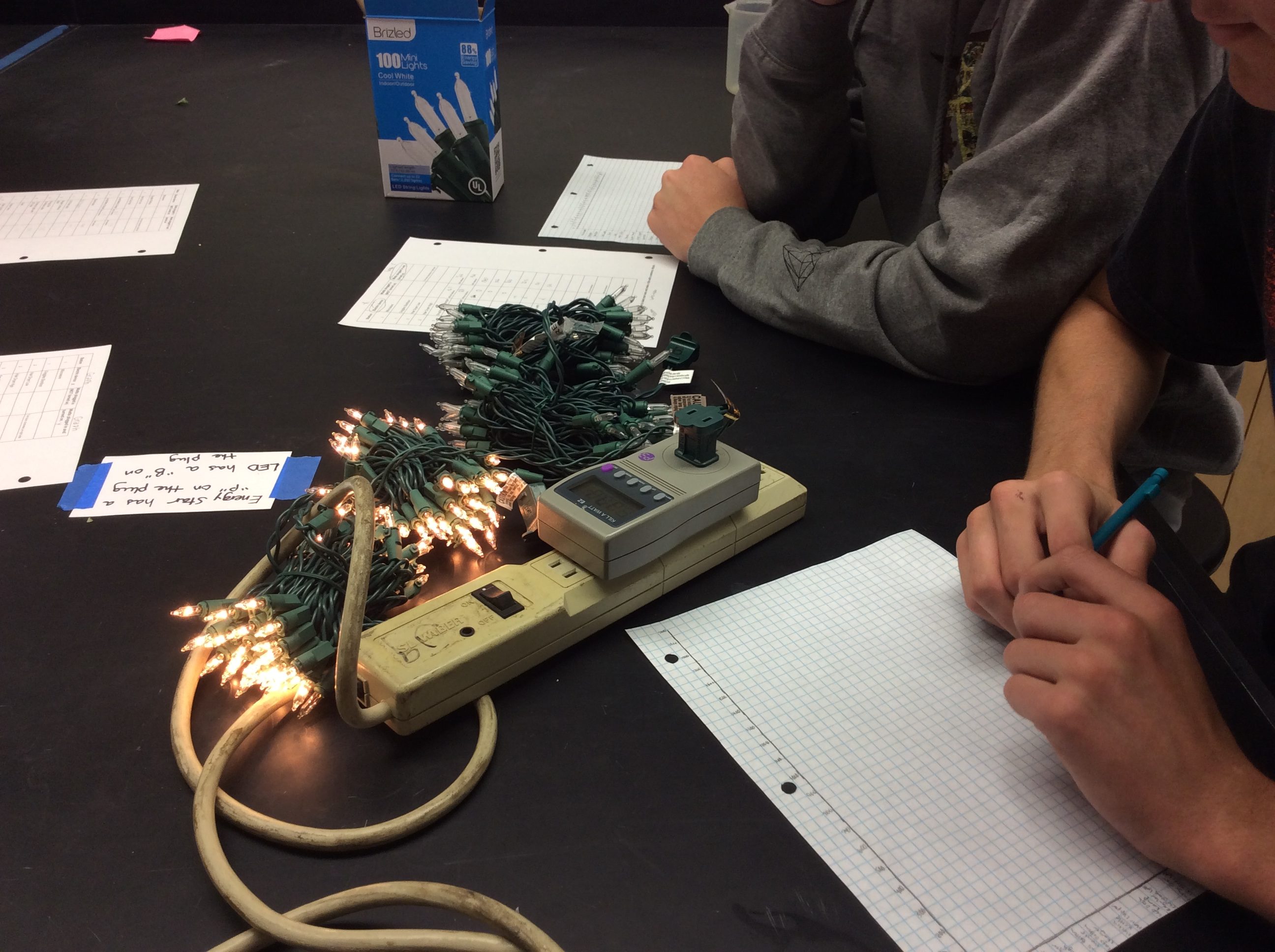
Updated Spring 2019! This year, I revised my Kill-A-Watt lab with a lot more math, better leading questions to help students to figure out the concepts, a phenomena that is …
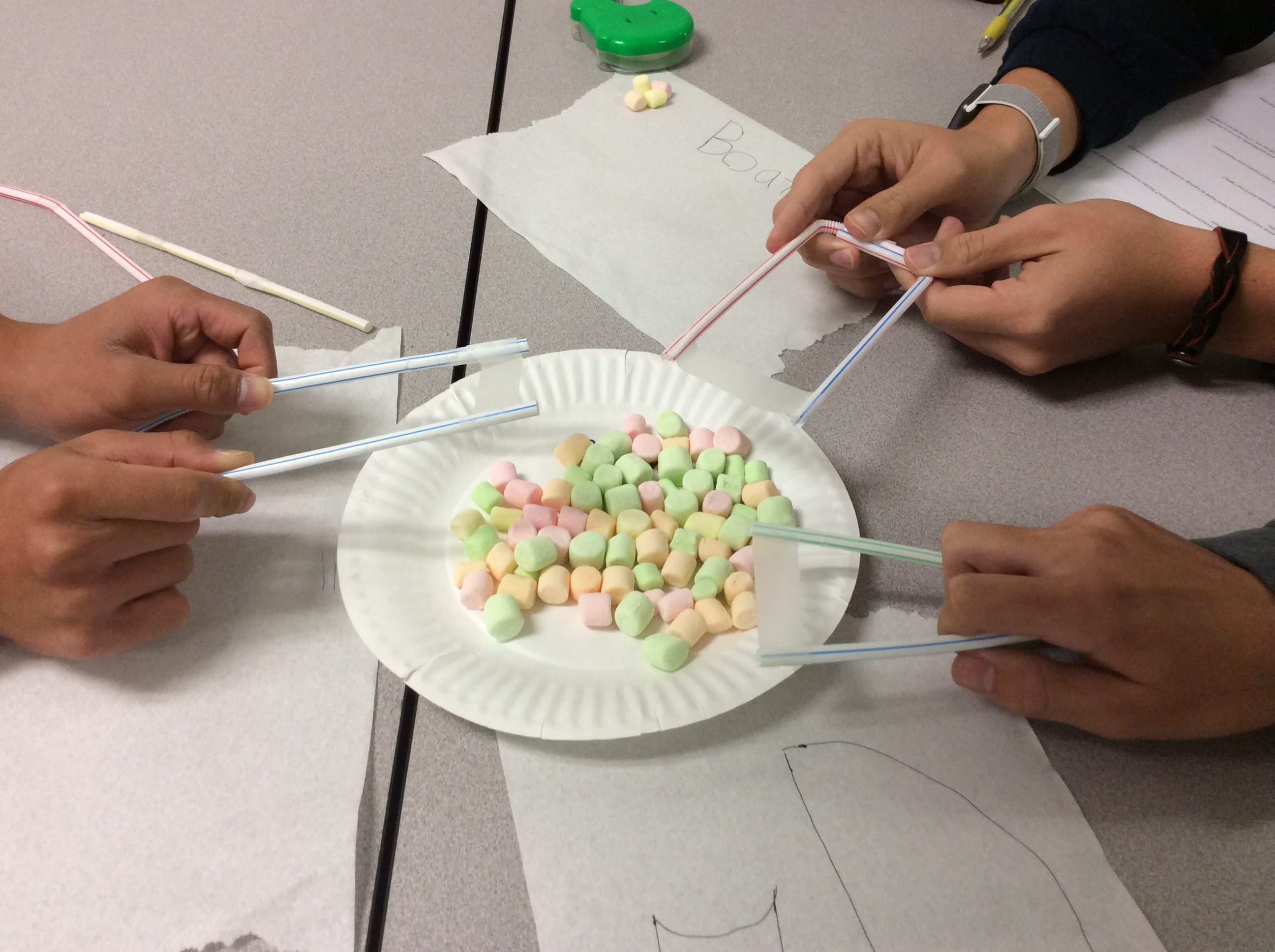
A great way to teach Tragedy of the Commons is with a “fishing” activity. There are many ways to run this simulation that are wonderful. Some teachers use goldfish crackers, …
Students learn not only about the effects of increasing acidity in the ocean on marine organisms, but also practice their experimental design skills in this Ocean Acidification Lab. In addition, …
Ecocolumns can teach the kids A LOT of scientific concepts if you are purposeful with the learning. If not, the kids just enjoy growing plants and having a fish and …
When I was beginning science teacher 20 years ago, a very wise science education professor told me to find the money and don’t buy supplies for my class out of …
Sometimes new teachers panic when they see all the shiny probes, grow lights and data measuring stuff that veteran teachers have. Don’t worry…most of us started out with limited supplies …
After two weeks of draining your ecocolumns, its time to build the aquatic chamber. DO NOT RUSH this step. No fish for two more days! Student directions for building ecocolumns. …
After weeks of your students being excited about getting a fish, today is the day! Word of caution–don’t add a fish for two weeks after building the initial column and …
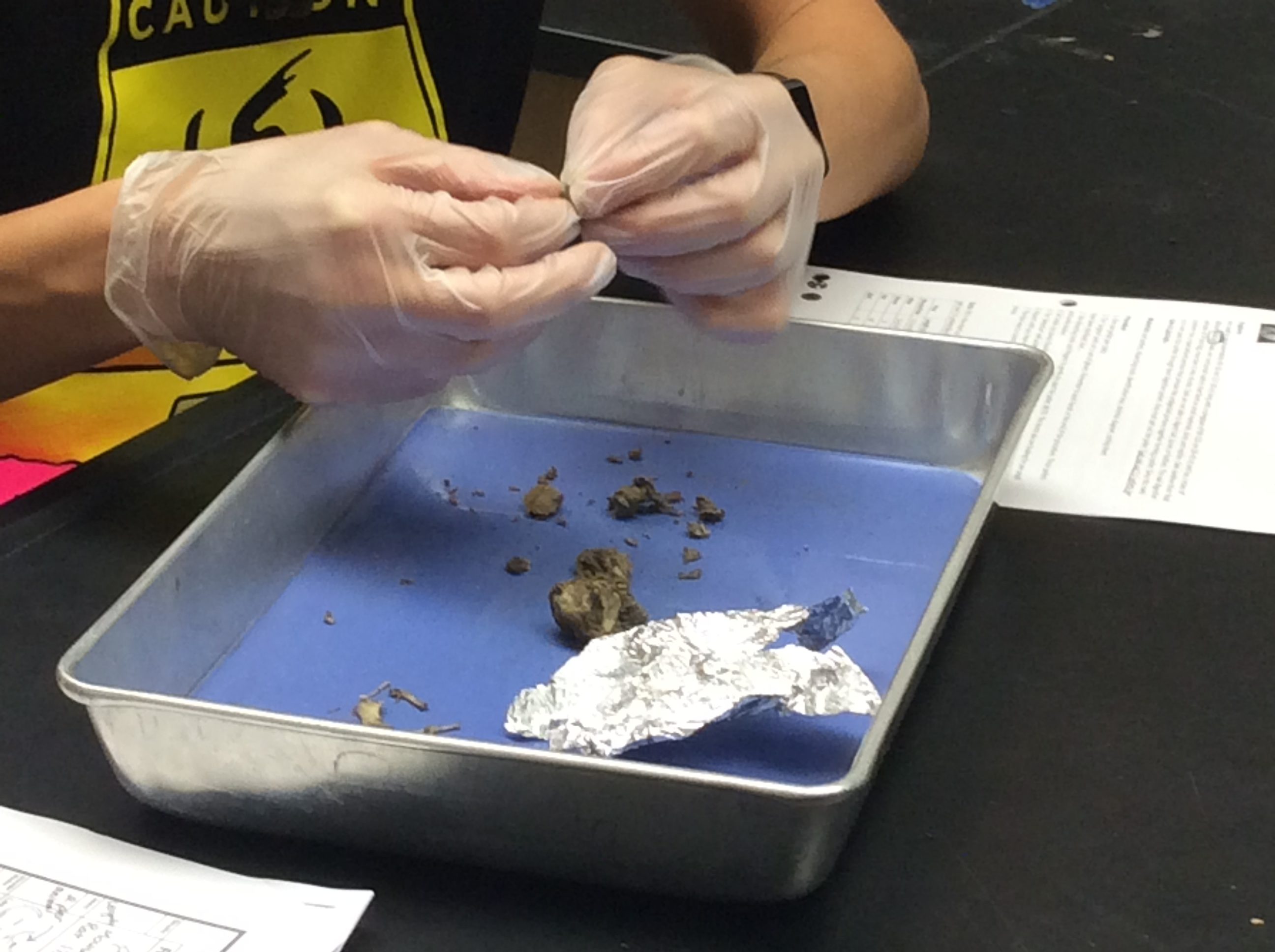
Owl pellet dissection is used to teach ecology topics such as food webs, biomass pyramids and energy loss. Buying Pellets and Materials. Both small and large pellets work with this …
Adding worms is almost as much fun as getting a fish! (NO FISH for two weeks–seriously, don’t do it) After a week of letting the seeds germinate and grow, its …