Finishing and Assessing EcoColumns
Finishing EcoColumns is a sad, but necessary part of EcoColumns. Students become very attached to their ecocolumns, but they start to degrade after about 6-8 weeks. Plants begin to run …
Resources By Kristi Schertz — kristi@teachingapscience.com
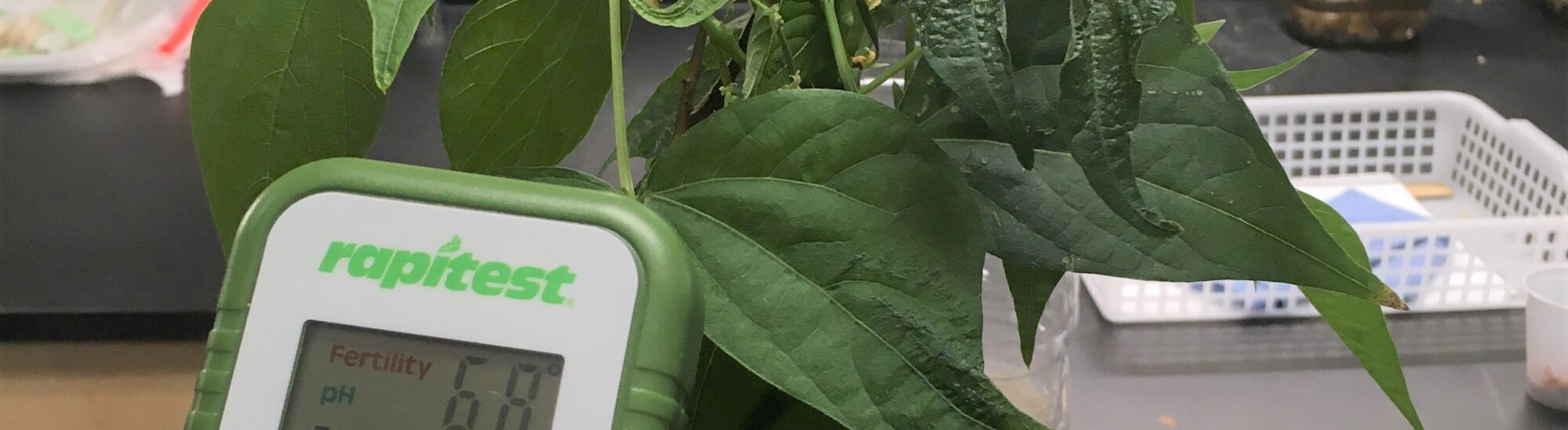
Finishing EcoColumns is a sad, but necessary part of EcoColumns. Students become very attached to their ecocolumns, but they start to degrade after about 6-8 weeks. Plants begin to run …
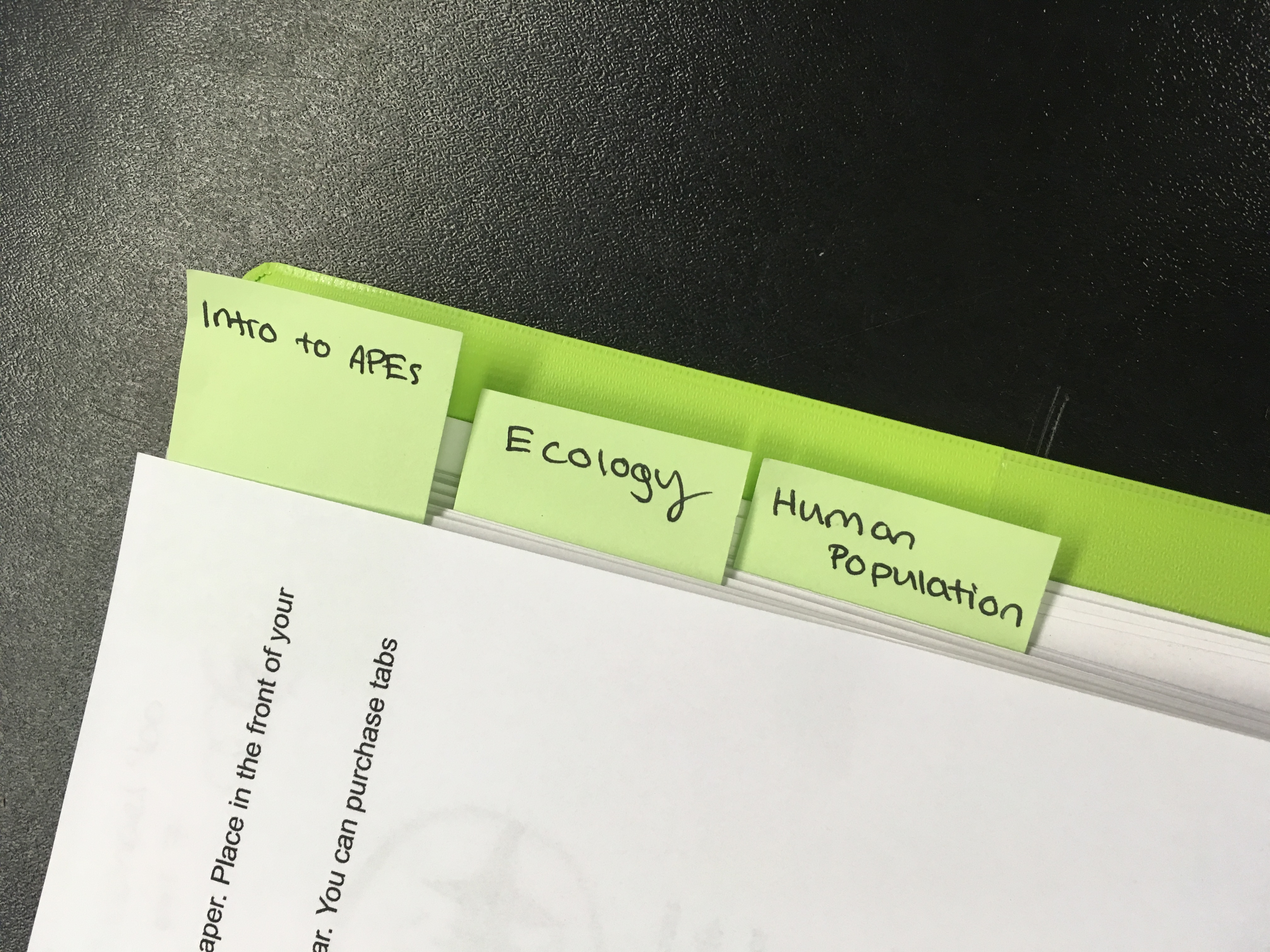
I want my students to save certain papers during the year and use later as they study for the AP® Exam. These papers include labs, charts, handouts, some notes and …
I give students “The Great APES Booklet” at the beginning of the year and tell kids to keep as reference. I find these booklets are better than a syllabus to …
Many new teachers want to know which APES films or environmental documentaries are the best. We all have different opinions, but here are some of the most commonly shown films …
A “Getting to know you” survey or questionnaire the first week of school is not a new idea. Used strategically, however, it is an essential tool to quickly learn about …
(Updated in July 2019 to reflect the new AP® calculator policy) The million dollar question in AP® is “How can I help struggling students while not boring or giving busy …
Implementing FRQ Peer Grading in the Classroom Guest writer: Katy Sturges, APES teacher from Texas In the summer of 2008, after completing my first year of teaching only Biology, I …
I’ve been using the “Mastering Environmental Science” companion website for Environment: The Science Behind the Stores by Withgott and Laposata for many years. The Mastering platform (a Pearson website for college-level …
I use Withgott and LaPosada’s Environment, the Science Behind the Stories, 5th edition for AP® Environmental Science. I’ve used Withgott for 15 years and love it. My students find it accessible …
I recently finished the second year of a flipped classroom for AP® Environmental Science and my students did very well on the AP® Exam. I have a lot of first-time …
My students’ favorite lab is building and taking care of Ecocolumns. This lab gives them practice in long-term data collection and a myriad of other essential topics in APES. Here …
One way to prepare students for the AP® exam is to have them take practice exams and released exams as practice or as a final exam before the AP® Exam. …
The labs on this post tend to be popular, because they cover a lot of topics within the lab, build skills, and/or are engaging. You don’t need to do all …
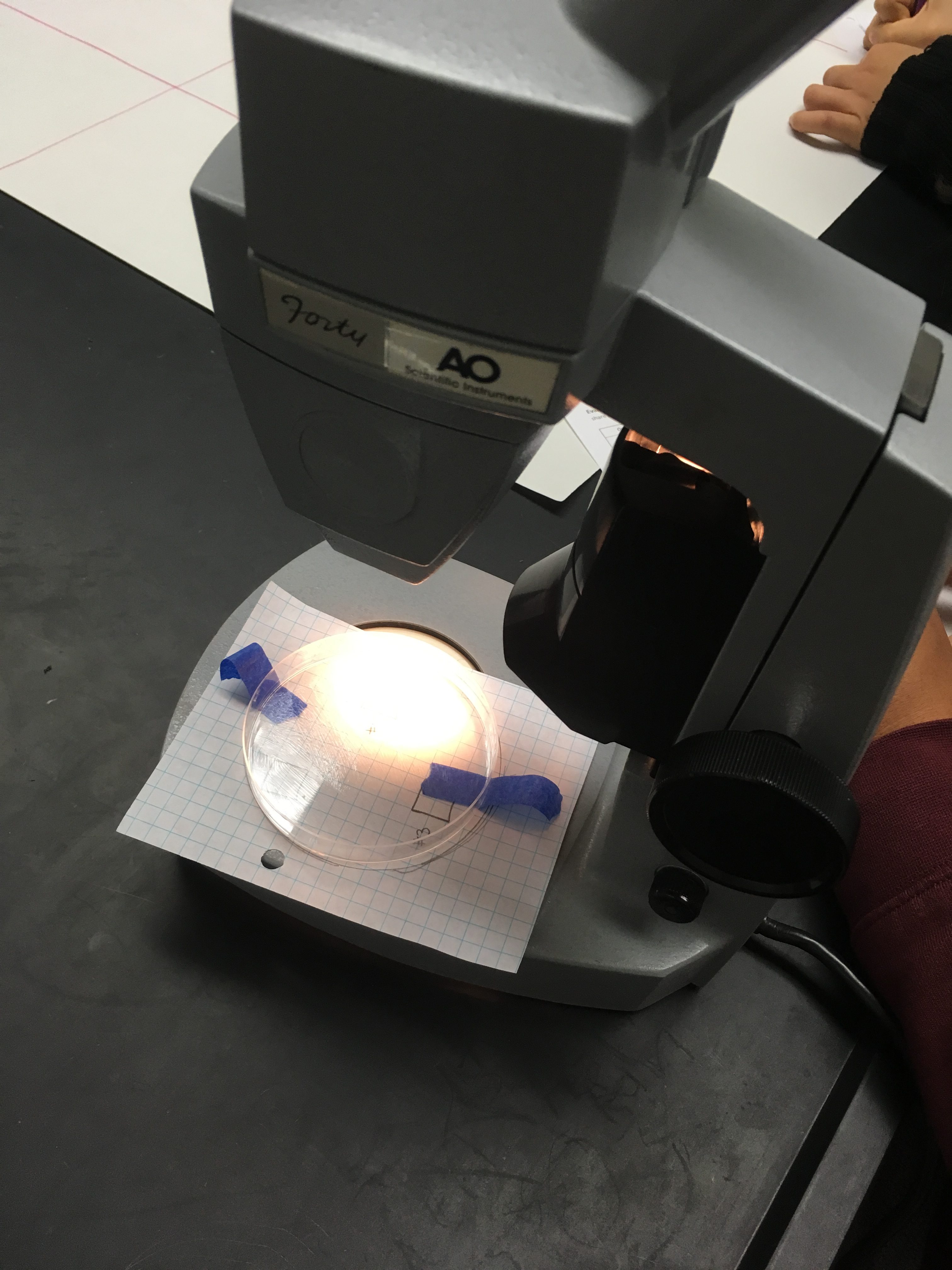
A question new AP® Environmental Science teachers ask is “What supplies do I need?” or “What kits should I buy?” This post will go over basic APES lab supplies. Kits …
One of the best (and easy to implement) labs I do is an air pollution lab–airborne particulates lab (Click for student handout). I worked with a colleague at a neighboring …
I really like this biomagnification activity from the Monterey Bay Aquarium. I discovered this activity in a Monterey Bay Aquarium workshop at a conference I attended a couple of years …
Reviewing for the AP®Exam is important. My students review content and knowledge at home while we work on skills and practice exams in class. Read about different ways to review …
Sounds crazy, but a good air pollution documentary doesn’t exist to show to our students. Instead, there are many smaller videos that work well. I live in Southern California, and …
Water Quality Testing is essential for AP® Environmental Science students. Every released exam has water quality test questions. Water quality is usually covered in Unit 8, but some teachers cover …