In Part 1, I covered the “why” for Mastery Grading. In this post, Part 2, I cover learning targets (also known as learning goals or learning objectives.
To review, the 3 parts of Mastery Grading are:
- Learning Targets (Objectives, standards etc)
- Specific and measurable
- Here is an example from Unit 1 AP® Environmental Science
- Grades based on evidence of individual learning and understanding.
- Students’ grades are based on evidence of individual learning and understanding.
- More frequent assessment and students are allowed one re-take
- This is a product for AP® Environmental Science which has 1000+ questions for quizzing
- “Practice” (homework, classwork) is worth 0% of grade.
- Fair Grading Scale
- I use a 14 point grading scale
- Similar to a 4-point grading scale, but allows for more nuances in performance.
- We looked at 4-point, 8-point etc and liked this one the best.
Learning Targets or Learning Objectives in AP®
The AP® Course and Exam Description for has learning objectives, but they are not as specific as I want for my students.

Many books including Environmental Science for the AP Course by Friedland and Reylea (published by BFW) have more specific learning goals/targets/objectives. Disclaimer: I am an author with BFW and co-authored the teacher’s edition for this book.

Example in Module 19
Learning Goals
19-1: I can describe the layers of the Earth
19-2: I can explain how tectonic plate movement produces divergent, convergent and transform boundaries.
19-3: I can identify how the global distribution of plate boundaries produces the locations of geologic events.
The Friedland/Relyea book also has the same learning objectives on their power points.
I combine the learning objectives from the CED and add the learning goals from the book + any others that I want to cover and create a detailed learning target guide (study guide) with:
- Clear learning targets
- Options to learn the material- Book pages, video lecture (from powerpoints), AP
®Daily videos, YouTube videos - Very specific questions so students know exactly what they need to know.
How do kids learn the material? About ⅓ to ½ of the material is covered in class with some sketch notes/fill in the blank notes and the rest must be learned on their own (flipped model). Below is a screenshot from Unit 2, Topic 2.2

Frequent Assessments
- I give Quizzes every 1-4 topics (1-2 modules in the Friedland Book).
- 1-2 times per week.
- Beginning of the period.
- 10-15 questions.
- They have content questions, more than skill questions
- 1 retake is available for students. A completed study guide is “payment” for a retake. Study guide is optional unless students want a retake.
- My unit exams have more skill questions. I use AP
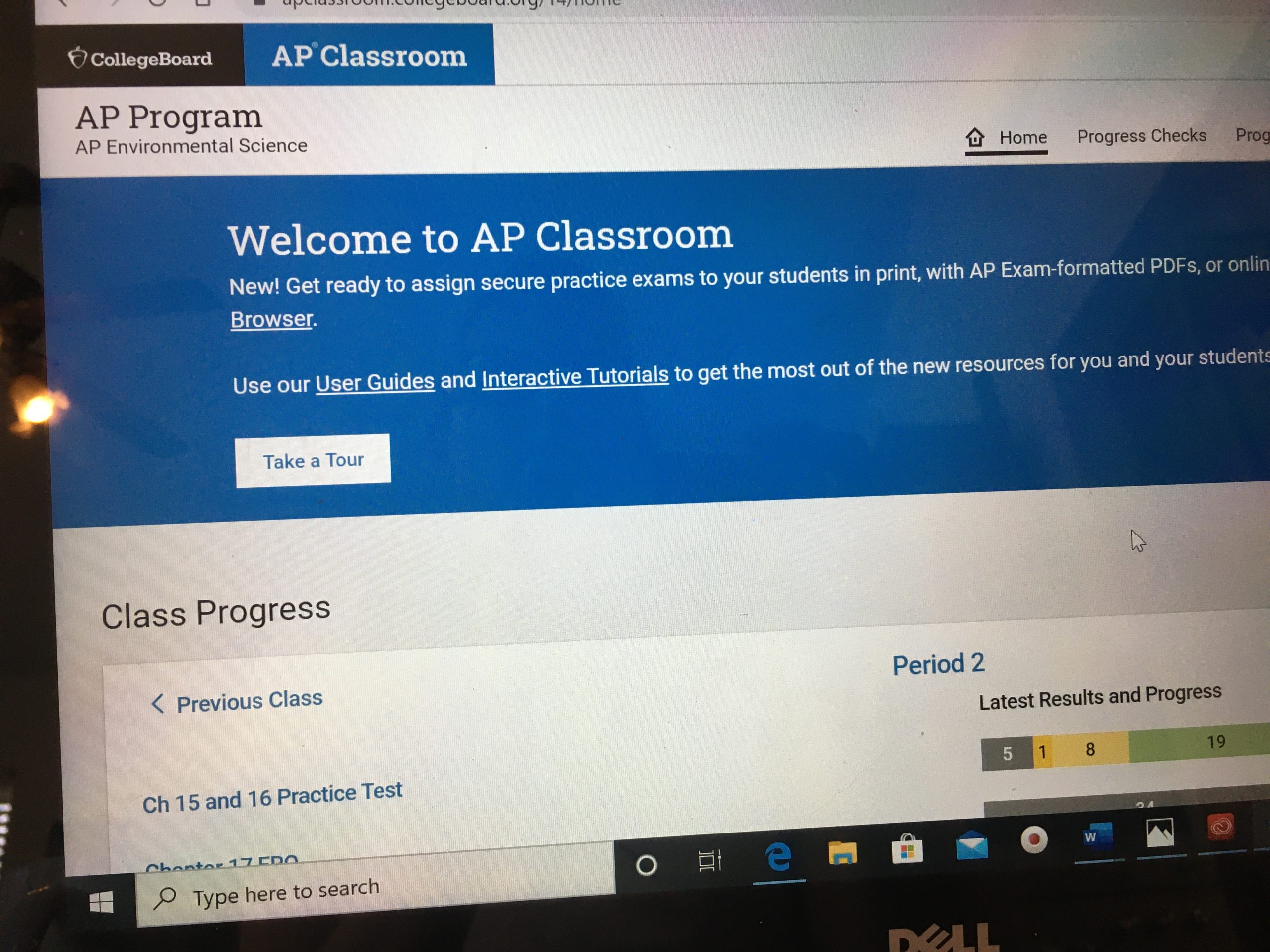
®Classroom for my unit exams.
An easy way to develop mastery checks, content quizzes etc. is to use your textbook’s test question bank. I use the Friedland book’s Test bank for the original quiz and my own content quiz questions for the retake.
You can give the quiz in many different forms
- LMS
- Paper
- Google Forms
My first quiz is on Google Forms and my second is on paper for logistical reasons. I give retakes once a week during lunch – payment to take the retake is a completed study guide for the topics of the quiz. The reason for paper retakes is that I have students taking several different retakes during the same lunch period so paper is easier than unlocking the correct digital quiz for individual students.
Mastery Grading is a gradual process as its too much on any one teacher to do in one year or on their own. Collaboration and baby steps are important to be kind to yourself. Keep reading for more information.
Part 3 will cover different grading scales.
Part 4 will cover grading based on evidence of individual learning and understanding and logistics.
Bonus: NGSS Classes!
We have national standards and Performance expectations that I delved into with my friend who also teaches Biology with me. We developed learning targets using this information and the information from the California Framework for science.

In California, we also have CAASPP (California Assessment of Student Performance and Progress) documents per standard. These provide learning objectives/learning targets.


Our goals for NGSS Biology this year and in the future:
- Develop student-friendly learning outcomes based on our CAST test and provide these for students.
- Align our assessments to learning objectives.
- In the Future: Providing MTSS for students struggling with specific learning outcomes. (Eventually when Admin helps figure out how to implement this)

We create assessments called mastery checks that meet each learning target.

* AP® is a trademark registered and/or owned by the College Board which was not involved in the production of, and does not endorse this site

2 thoughts on “Mastery Grading in AP® Part 2: Learning Targets/Goals/Objectives”