Skip to content

Teaching AP® Science

Resources By Kristi Schertz — kristi@teachingapscience.com
  • AP Exam
    • AP Classroom
      • Tips for using AP® Classroom
    • For Students
      • FRQ tips for the APES Exam
      • Tips and hints for the APES exam
      • Math for students for the 2019 exam
    • Prepare
      • Peer Grading FRQs using Google Forms and Spreadsheets by Katy Sturges
      • APES Exam and Bloom’s Taxonomy/Depth of Knowledge
      • Using and Teaching FRQs in Science
      • FRQs and Peer Grading
    • Review
      • Sample Grading and Points
      • What Do Students Think is Best for AP Exam Review?
      • AP® Released Exams, Score Predictions, & the Final Exam “Curve”
      • 6 Week Study Plan for the AP® Environmental Science Exam
  • CED
    • Science Practices
      • Math
        • APES Math
        • APES Math Strategy That Really Works
        • Math Differentiation in Science
        • LD-50 Graph and Math Practice
        • AP® Environmental Science Math Review Practice Problems
      • Text Analysis
    • Units
      • Unit 1
      • Unit 2
      • Unit 3
      • Unit 4
      • Unit 5
      • Unit 6
      • Unit 7
      • Unit 8
      • Unit 9
  • Labs
    • Ecocolumns
      • Building
        • Building the Aquatic Chamber in Ecocolumns
        • Things Go Wrong in Ecocolumns-and its OK!
        • Bugs, Worms, and Leaf Litter…..O my! (Adding detritivores to EcoColumns)
        • Cutting and Filling Ecocolumns
        • EcoColumns: Solving Dissolved Oxygen issues with aquatic chamber holes
      • Data and Tips
        • Everything Ecocolumns
        • Group Data Analysis
        • Planting Seeds in EcoColumns, Taking Soil Data and Setting Up Data Charts
        • EcoColumns: Taking Aquatic Chamber Data
        • Ecocolumns: Taking Terrestrial Chamber Data
        • How to use a pH Probe in Ecocolumns
        • How to use Nitrate and Nitrite Test Strips for EcoColumns A
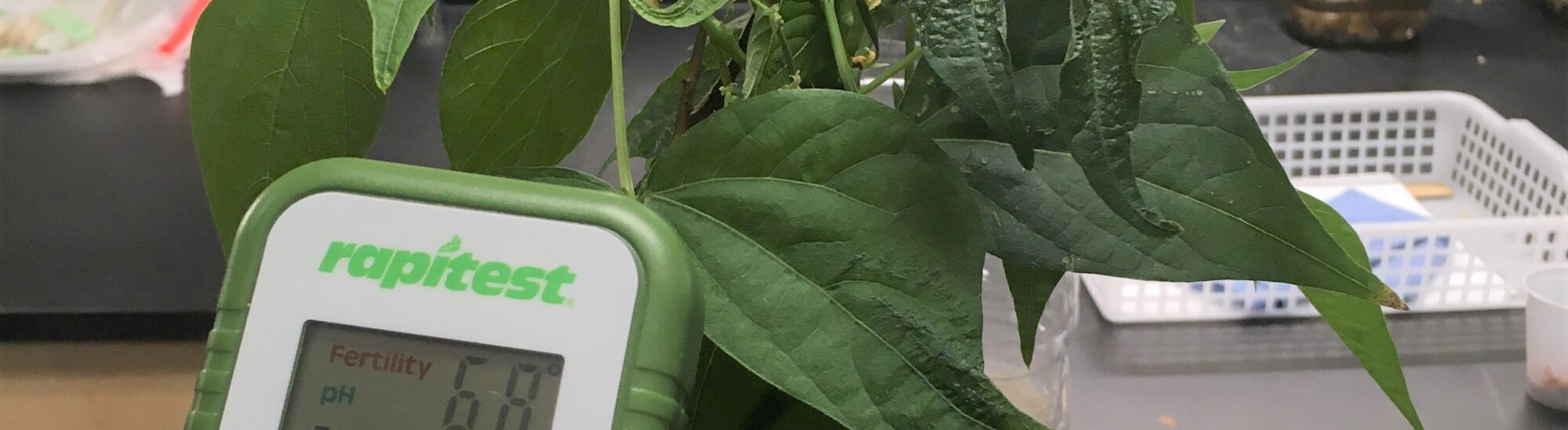
        • Rapitest Digital Analyzer Instructions
      • Objectives and Assessing
        • Finishing and Assessing EcoColumns
        • 10 Scientific Concepts Learned from Ecocolumns
        • Building EcoColumns NSTA 17 Presentation
      • Supplies
        • Buying Supplies for Ecocolumns
        • Ecocolumns with a Small Budget and with a Big Budget
        • Container Seeds in Ecocolumns
    • Labs For AP Environmental Science
    • Supplies
  • Methods & Lessons
    • Strategies
    • Flipped
    • Textbooks
    • New APES Teachers
    • Content Ideas
  • Content Quiz
    • Question Bank Bundle – All Units
    • Content Quiz Question Bank – Unit 9
    • Content Quiz Question Bank – Unit 8
    • Content Quiz Question Bank – Unit 7
    • Content Quiz Question Bank – Unit 6
    • Content Quiz Question Bank – Unit 5
    • Content Quiz Question Bank – Unit 4
    • Content Quiz Question Bank – Unit 3
    • Content Quiz Question Bank – Unit 2
    • Content Quiz Question Bank – Unit 1
  • Learning Targets
    • Unit 1 Learning Targets Guide for AP® Environmental Science (Learning Objectives or Goals)
    • Unit 2 Learning Targets for AP® Environmental Science (Learning Objectives or Goals)
    • Unit 3 Learning Targets for AP® Environmental Science (Learning Objectives or Goals)
    • Unit 4 Learning Targets for AP® Environmental Science (Learning Objectives or Goals)
    • Unit 5 Learning Targets Guide for APES (Learning Objectives/Goals)
    • Unit 6 Learning Targets Guide for APES (Learning Objectives/Goals)
    • Unit 7 Learning Targets Guide for APES (Learning Objectives/Goals)
    • Unit 8 Learning Targets Guide for APES (Learning Objectives/Goals)
    • Unit 9 Learning Targets Guide for APES (Learning Objectives/Goals)
    • Bundle – All 9 Units of Learning Target Guides for APES (Learning Objectives/Goals)
  • Login
  • AP Exam
    • AP Classroom
      • Tips for using AP® Classroom
    • For Students
      • FRQ tips for the APES Exam
      • Tips and hints for the APES exam
      • Math for students for the 2019 exam
    • Prepare
      • Peer Grading FRQs using Google Forms and Spreadsheets by Katy Sturges
      • APES Exam and Bloom’s Taxonomy/Depth of Knowledge
      • Using and Teaching FRQs in Science
      • FRQs and Peer Grading
    • Review
      • Sample Grading and Points
      • What Do Students Think is Best for AP Exam Review?
      • AP® Released Exams, Score Predictions, & the Final Exam “Curve”
      • 6 Week Study Plan for the AP® Environmental Science Exam
  • CED
    • Science Practices
      • Math
        • APES Math
        • APES Math Strategy That Really Works
        • Math Differentiation in Science
        • LD-50 Graph and Math Practice
        • AP® Environmental Science Math Review Practice Problems
      • Text Analysis
    • Units
      • Unit 1
      • Unit 2
      • Unit 3
      • Unit 4
      • Unit 5
      • Unit 6
      • Unit 7
      • Unit 8
      • Unit 9
  • Labs
    • Ecocolumns
      • Building
        • Building the Aquatic Chamber in Ecocolumns
        • Things Go Wrong in Ecocolumns-and its OK!
        • Bugs, Worms, and Leaf Litter…..O my! (Adding detritivores to EcoColumns)
        • Cutting and Filling Ecocolumns
        • EcoColumns: Solving Dissolved Oxygen issues with aquatic chamber holes
      • Data and Tips
        • Everything Ecocolumns
        • Group Data Analysis
        • Planting Seeds in EcoColumns, Taking Soil Data and Setting Up Data Charts
        • EcoColumns: Taking Aquatic Chamber Data
        • Ecocolumns: Taking Terrestrial Chamber Data
        • How to use a pH Probe in Ecocolumns
        • How to use Nitrate and Nitrite Test Strips for EcoColumns A
        • Rapitest Digital Analyzer Instructions
      • Objectives and Assessing
        • Finishing and Assessing EcoColumns
        • 10 Scientific Concepts Learned from Ecocolumns
        • Building EcoColumns NSTA 17 Presentation
      • Supplies
        • Buying Supplies for Ecocolumns
        • Ecocolumns with a Small Budget and with a Big Budget
        • Container Seeds in Ecocolumns
    • Labs For AP Environmental Science
    • Supplies
  • Methods & Lessons
    • Strategies
    • Flipped
    • Textbooks
    • New APES Teachers
    • Content Ideas
  • Content Quiz
    • Question Bank Bundle – All Units
    • Content Quiz Question Bank – Unit 9
    • Content Quiz Question Bank – Unit 8
    • Content Quiz Question Bank – Unit 7
    • Content Quiz Question Bank – Unit 6
    • Content Quiz Question Bank – Unit 5
    • Content Quiz Question Bank – Unit 4
    • Content Quiz Question Bank – Unit 3
    • Content Quiz Question Bank – Unit 2
    • Content Quiz Question Bank – Unit 1
  • Learning Targets
    • Unit 1 Learning Targets Guide for AP® Environmental Science (Learning Objectives or Goals)
    • Unit 2 Learning Targets for AP® Environmental Science (Learning Objectives or Goals)
    • Unit 3 Learning Targets for AP® Environmental Science (Learning Objectives or Goals)
    • Unit 4 Learning Targets for AP® Environmental Science (Learning Objectives or Goals)
    • Unit 5 Learning Targets Guide for APES (Learning Objectives/Goals)
    • Unit 6 Learning Targets Guide for APES (Learning Objectives/Goals)
    • Unit 7 Learning Targets Guide for APES (Learning Objectives/Goals)
    • Unit 8 Learning Targets Guide for APES (Learning Objectives/Goals)
    • Unit 9 Learning Targets Guide for APES (Learning Objectives/Goals)
    • Bundle – All 9 Units of Learning Target Guides for APES (Learning Objectives/Goals)
  • Login

Author: Kristi Schertz

Ecocolumns / lab

Planting Seeds in EcoColumns, Taking Soil Data and Setting Up Data Charts

On the second day of building ecocolumns, students add seeds and begin taking data.  (This can be the second hour of a block period). Before they do this, however, they …

Read More
Ecocolumns / lab

Cutting and Filling Ecocolumns

Students thoroughly enjoy building ecocolumns. Building usually takes 2 full periods (45-55 min) or one block period. The example here is of an an ecocolumn with three chambers, a terrestrial …

Read More
Ecocolumns / lab / Supplies

Buying Supplies for Ecocolumns

Students thoroughly enjoy building ecocolumns.  The supplies here are for an ecocolumn with three chambers: A terrestrial chamber on the top with soil, plants and invertebrates, a filter chamber with …

Read More
Flipped / Flipped Classroom / Methods & Lessons

Communicating “Why I flipped” to Students and Parents (or Admins)

I believe explaining WHY I do something in class is important for students. While they don’t get to decide or vote on the way my class is run, explaining the …

Read More
AP Exam / Methods & Lessons / Prepare

APES Exam and Bloom’s Taxonomy/Depth of Knowledge

I’ve always told people that the AP® Exam has a lot of higher order thinking questions, but never took to the time to actually count how many were in a …

Read More
Ecocolumns / ecocolumn_videos / lab

Building EcoColumns NSTA 17 Presentation

Read More
Using and Teaching FRQs in Science
AP Exam / Methods & Lessons / New APES Teachers / Prepare

Using and Teaching FRQs in Science

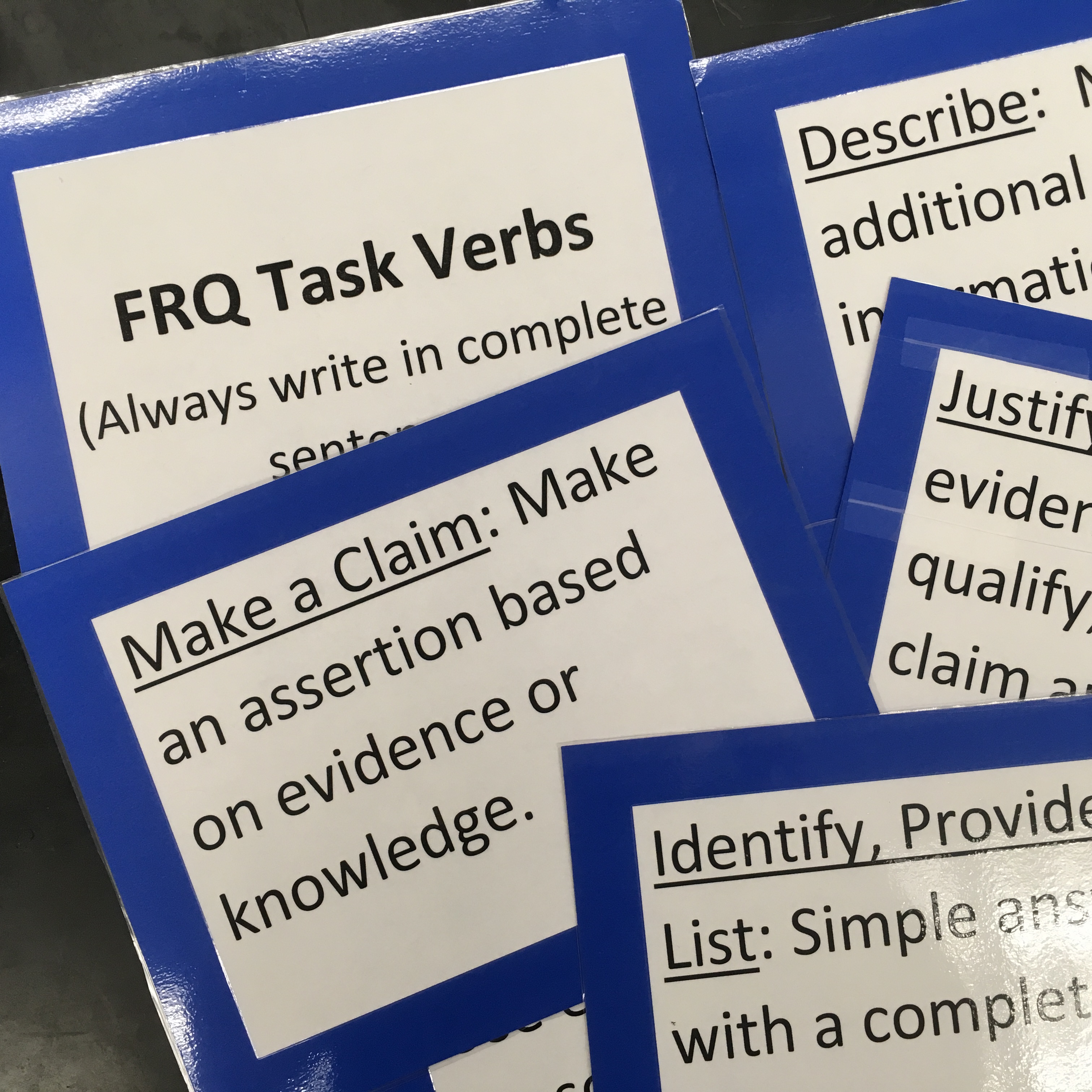
Students in an AP® Environmental Science class need to know how to write Free Response Questions (FRQs). These are short answer questions, not essays, and have special strategies that are …

Read More
AP Exam / Methods & Lessons / Prepare

FRQs and Peer Grading

Peer Grading FRQS Peer grading free response questions is a great way to 1. Teach kids how the questions are graded by the national readers and how picky and precise …

Read More
Methods & Lessons / New APES Teachers / Strategies

10 Tips for Teaching Large AP® Classes in High School

Teaching large classes can be daunting in any subject, but especially in a college-level AP® class. Ten years ago, when I started AP® Environmental Science at my school, I advertised …

Read More
Methods & Lessons / New APES Teachers / Strategies

To AP® or Not to AP®…What does the Research Say?

What does the research really say about taking an AP® class? Over the years, I’ve heard a lot of “rumors”, “here-say”, “anecdotal info”, &”verbal discussion” of the benefits of AP® …

Read More
15 Things a new AP teacher should know
Methods & Lessons / New APES Teachers

15 Things a new AP teacher should know

Being a new AP® teacher is exciting and daunting! It will be a tough year to not only learn the material yourself, but also teach it to your kids.  Hang …

Read More
Flipped / Flipped Classroom / Methods & Lessons

Research About Flipping the Classroom

I recently led a couple of workshops about Flipped Classrooms for a technology institute. (Discalimer: I’ve only fully flipped for about a year. I’ve done a partial flip for several …

Read More
Ecocolumns / ecocolumn_videos / lab

EcoColumns: Solving Dissolved Oxygen issues with aquatic chamber holes

Read More
Ecocolumns / ecocolumn_videos / lab

EcoColumns: Taking Aquatic Chamber Data

Read More
Ecocolumns / ecocolumn_videos / lab

Ecocolumns: Taking Terrestrial Chamber Data

Read More
Ecocolumns / ecocolumn_videos / lab

Building EcoColumns Part 5 Making the Aquatic Chamber

This video describes how to build the Aquatic Chamber.  Remember, DO NOT build this chamber until 2 weeks of flushing/draining the column have passed.

Read More
Flipped / Flipped Classroom / Methods & Lessons

Why and How I Flipped this Year

Why I decided to Flip I decided to do a full flip in 2016/2017 out of self-preservation. My sections of AP® grew from 3 to 4 to 5 per day …

Read More
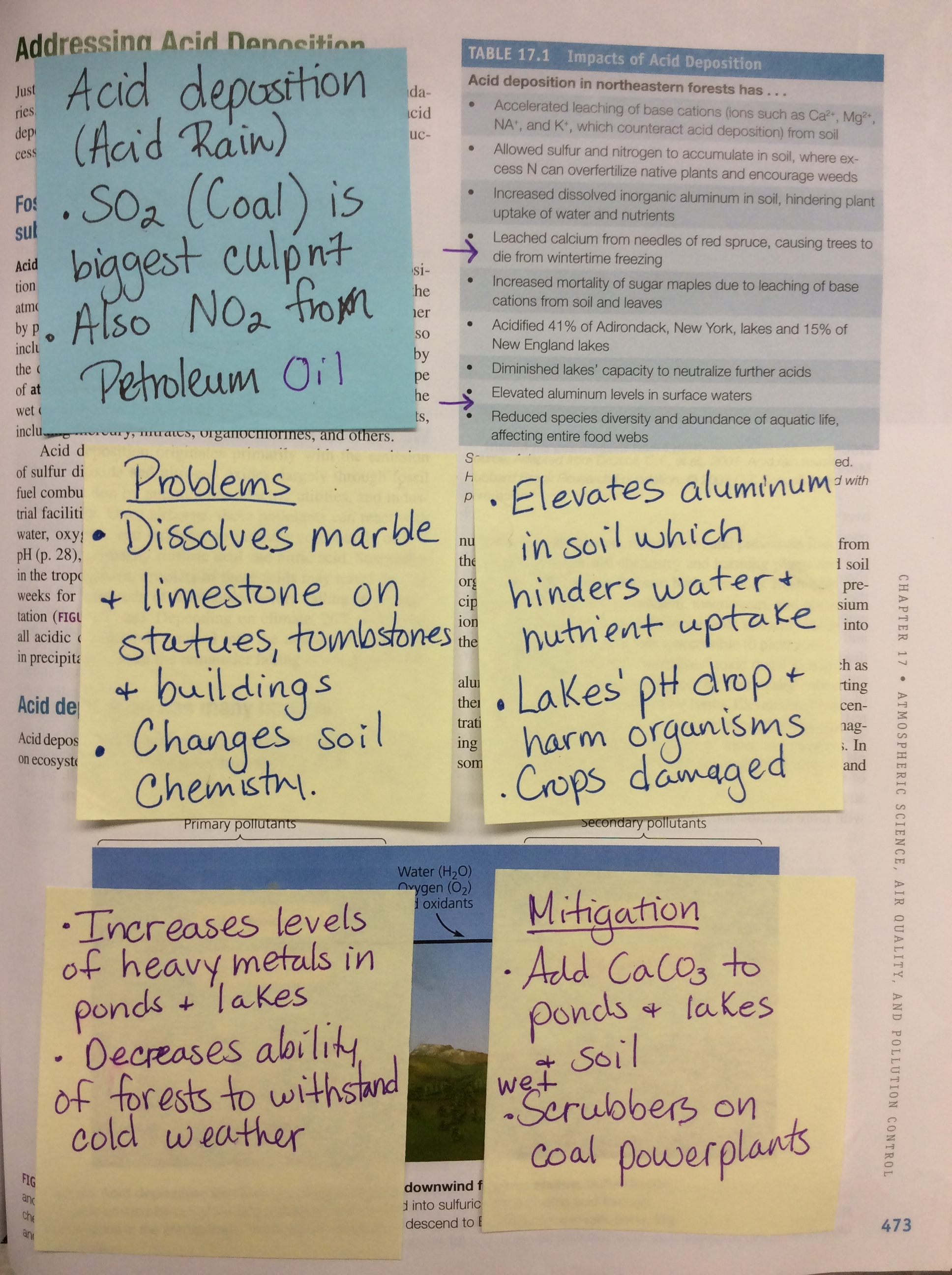
Sticky Note Methodology
Content Ideas / Methods & Lessons / Strategies / Textbooks

Sticky Note Methodology

I developed this method over a decade ago and  it one of the main things that students report back as being so helpful in prepping them for the AP® Exam …
Read More
Ecocolumns / lab

How to use a pH Probe in Ecocolumns

Read More
Ecocolumns / lab

How to use Nitrate and Nitrite Test Strips for EcoColumns A

Read More

Posts pagination

Previous 1 … 5 6 7 Next

Recent Posts

  • Mastery Grading in AP: Part 4: Grades based on evidence of individual learning and understanding
  • Mastery Grading for AP Part 3: Grading Scales
  • Mastery Grading in AP® Part 2: Learning Targets/Goals/Objectives
  • Mastery Grading in AP® Part 1: Why Mastery Grading?
  • Five Most Important Labs in AP® Environmental Science

* AP® is a trademark registered and/or owned by the College Board which was not involved in the production of, and does not endorse this site.

Contact me: kristi@teachingapscience.com
Thank you for purchasing through links. As an Amazon Associate I earn from qualifying purchases. Powered by WordPress and Bam.